

Style is not the first decision
Catalogues lead with how a hearing aid looks. Clinically, we start with your audiogram, ear anatomy, and daily life. A nearly invisible shell that cannot deliver the power you need is a poor fit. A larger device that you will actually wear all day is a good one.
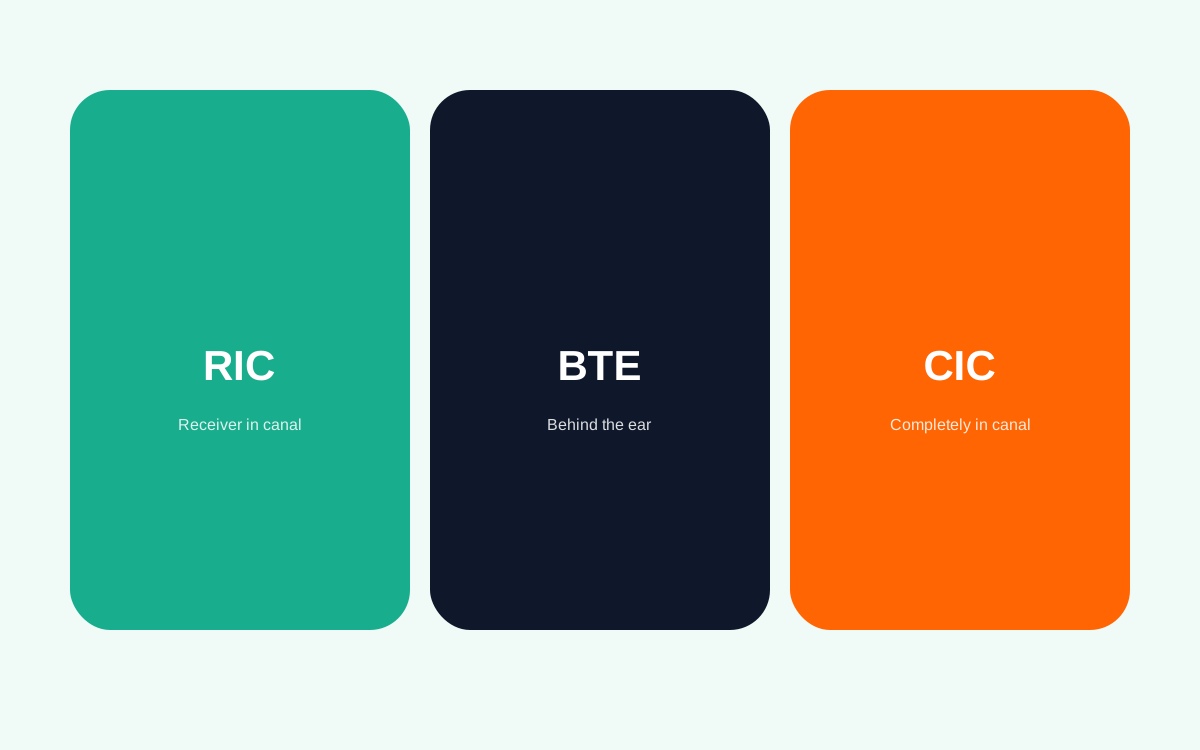
At Hearing Hope we fit after a proper evaluation, not from a brochure. The styles below are the ones Indian patients ask about most: RIC, BTE, and custom canal devices (CIC and IIC).
RIC: the everyday workhorse
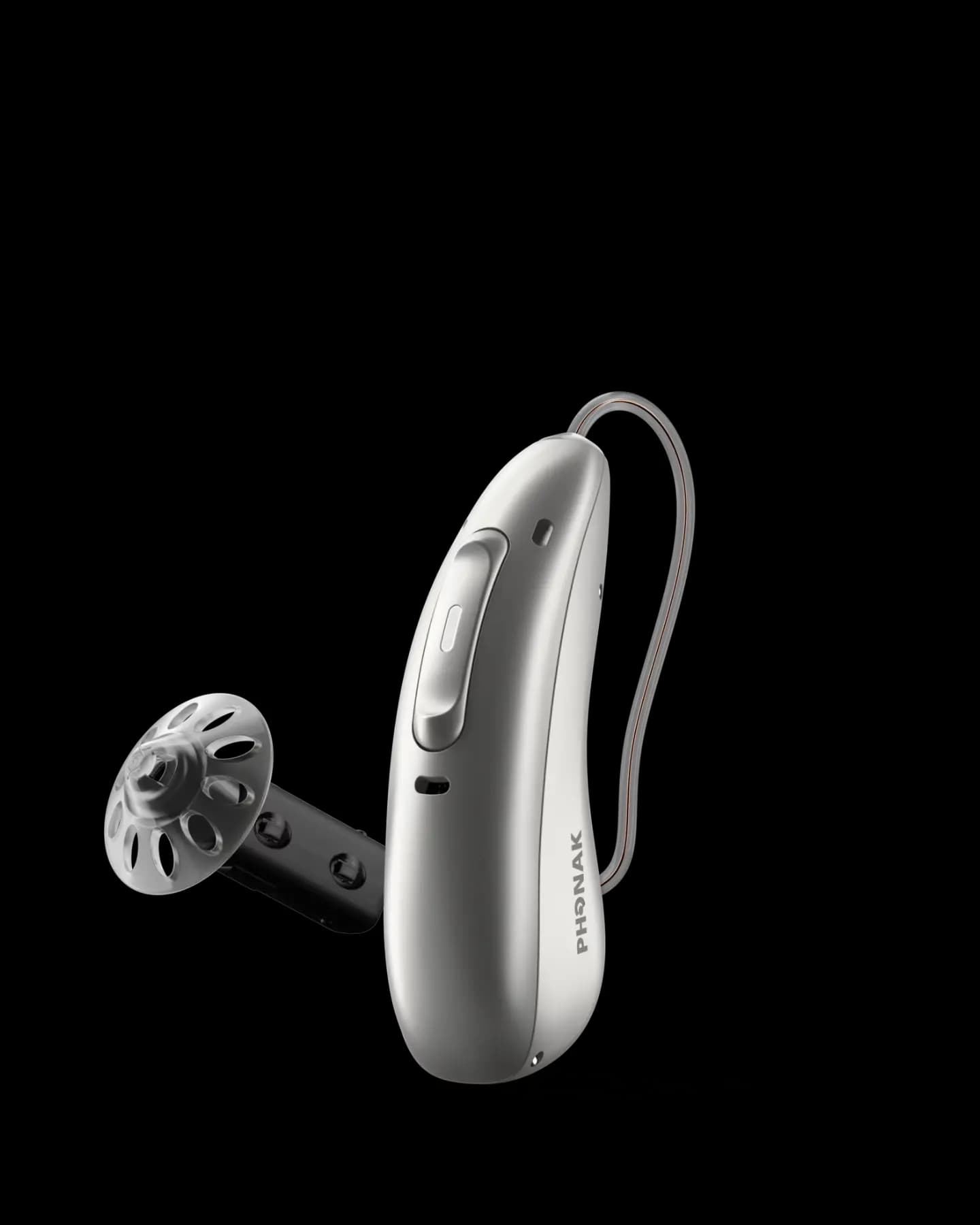
Receiver-in-canal (RIC) models sit behind the ear with a thin wire to a speaker in the canal. They balance power and discretion, handle mild to severe loss, and most modern RICs are rechargeable with Bluetooth.
They suit people who want a slim profile, all-day battery, and the option to stream calls. They are less ideal if you have very small canals, chronic drainage, or need a fully hidden look for work.
BTE: power and reliability
Behind-the-ear (BTE) devices keep the electronics in a case behind the ear, with sound delivered through a tube and earmould. They remain the best choice for severe to profound loss, children’s fittings, and ears that need frequent medical care.
A well-made earmould is comfortable. Many patients who expected to ‘hate the look’ prefer BTE once they hear how much clearer speech becomes in noise.
CIC and IIC: the hidden option
Completely-in-canal (CIC) and invisible-in-canal (IIC) shells are custom-made from an ear impression. They sit deeper in the canal, so little or nothing shows from the outside. They are popular with professionals who want a discreet fit.
They are not for everyone. Severe loss, very narrow canals, or a need for maximum Bluetooth features can rule them out. Some deep-fit shells still use disposable batteries because there is no room for a rechargeable cell.
How we choose with you
We match style to: degree of loss, ear-canal size, dexterity (can you handle a tiny battery?), work and social noise, and whether you want streaming. A short trial in your own home tells you more than any comparison chart.
If you are comparing RIC vs BTE vs CIC, book a test first. The right style is the one your audiogram and your week can actually support.
Next step
Ready for a clear answer on your hearing?
Book a free 30-minute test at home or in clinic. An audiologist explains results in plain language — with no obligation to buy.
- Free first evaluation
- Same-day explanation
- Home visit or clinic
Keep reading
Related articles from the Hearing Hope blog.
 Guides
How long do hearing aids last — and when to replace them?
Most pairs work well for several years. Wear, technology, and changing hearing decide when a repair is enough and when a new fitting is kinder.
By Neelam Verma7 min read
Read article Hearing health
7 signs it’s time for a hearing test
Turning the TV up, missing doorbells, or asking people to repeat themselves are early clues. Here’s when a 30-minute test is the safest next step.
By Payal Soni8 min read
Read article Pricing
Hearing aid prices in India: what to expect in 2026
From entry devices to premium AI rechargeable pairs — how MRP, after-care, and real-world quotes actually work.
By Neelam Verma8 min read
Read article