
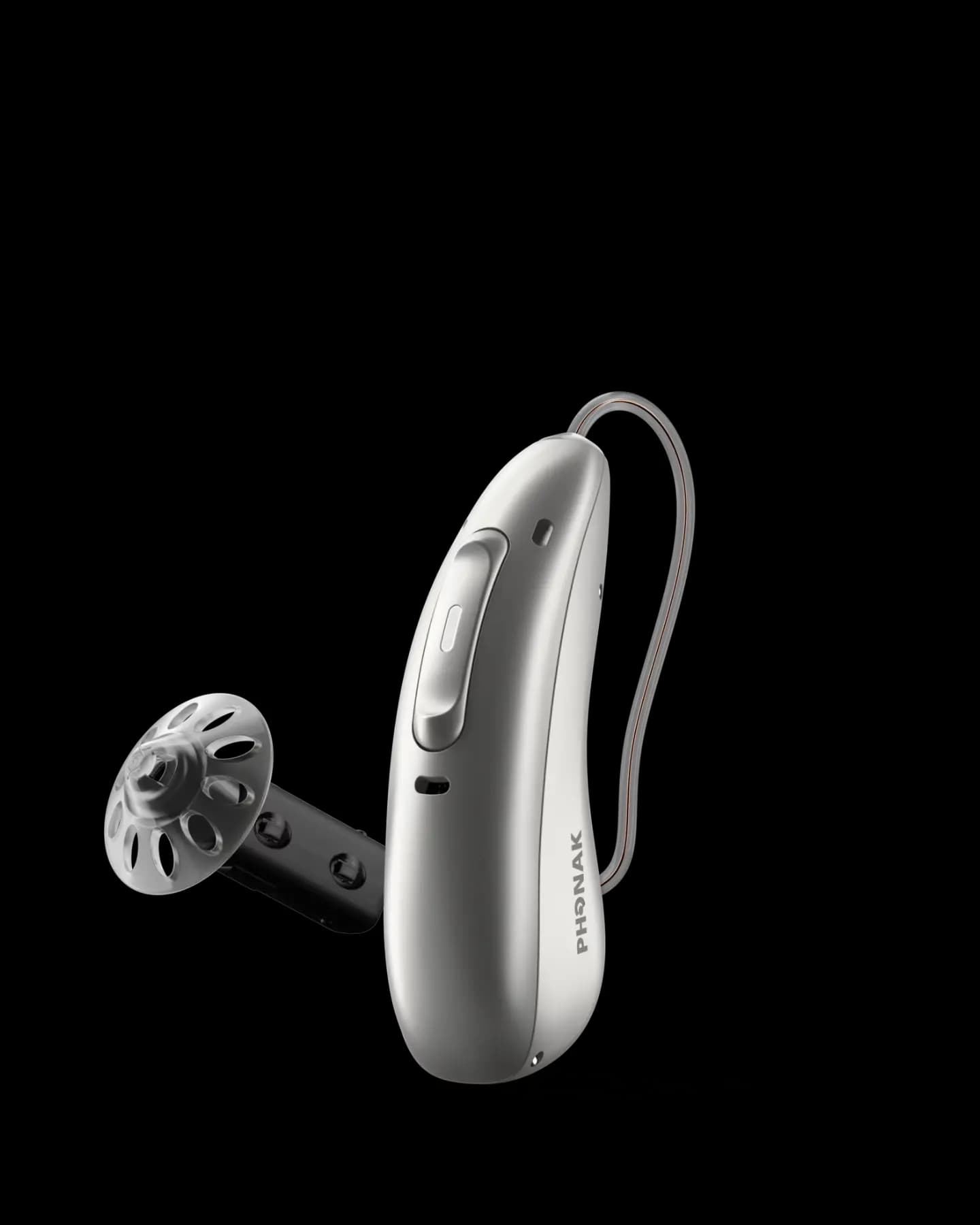


Why early testing matters
Hearing loss rarely arrives overnight. It creeps in — a missed punchline, a doorbell you did not hear, a family dinner that feels more tiring than it used to. Most adults wait years after the first signs before they book a test. In that gap, conversations get shorter, confidence dips, and the brain has to work harder to fill in missing sounds.
A diagnostic hearing test at Hearing Hope takes about 30 minutes. There is no obligation to buy a device. You leave with a clear picture of both ears, explained in plain language, and a next step that matches your lifestyle — whether that is monitoring, a trial, or simply peace of mind.
Seven signs you should not ignore
You do not need every sign on this list. Two or three that keep repeating are already a reason to get both ears checked. Family members often notice the pattern before you do — that is information, not criticism.
- You turn the TV or phone volume higher than others in the room prefer.
- You ask people to repeat themselves, especially in restaurants or family gatherings.
- Doorbells, phone rings, or the cooker whistle are easy to miss.
- Speech sounds mumbled; you hear that someone is talking but not the words.
- You avoid calls or group conversations because they feel exhausting.
- Tinnitus — ringing, buzzing, or hissing — is more noticeable in quiet rooms.
- A parent, partner, or colleague has asked whether you have had a hearing test.
What the 30-minute test includes
We start with a short history: when you first noticed a change, noise exposure at work, medicines, and which ear feels weaker. Then we look in the ear canal to rule out wax or infection that can mimic hearing loss.
Pure-tone audiometry maps the quietest sounds you can hear at different pitches. Speech testing checks how clearly you understand words, not just beeps. Together they form an audiogram — a chart your audiologist will walk through without jargon.
Home visit or clinic: which to choose
If travel is hard for an elderly parent, a home test is often the kinder first step. We bring calibrated equipment, test both ears, and explain results at the dining table. Clinic visits at Rohini, Green Park, Indirapuram or Sanjay Nagar suit people who want a booth environment or a same-day look at device styles.
Either way, the clinical standard is the same. You are not choosing a ‘lesser’ test by staying home — you are choosing convenience.
What happens after the results
If hearing is within normal limits, we tell you so and suggest when to retest. If there is a loss, we discuss whether a hearing aid trial, medical referral, or simply monitoring is appropriate. Pricing is shown as MRP. There is no pressure to decide on the same day.
Book a free test when the signs above feel familiar. Catching a change early makes every later option — including a trial — simpler.
Next step
Ready for a clear answer on your hearing?
Book a free 30-minute test at home or in clinic. An audiologist explains results in plain language — with no obligation to buy.
- Free first evaluation
- Same-day explanation
- Home visit or clinic
Keep reading
Related articles from the Hearing Hope blog.
 Hearing health
Tinnitus and hearing aids: what actually helps
Ringing in the ears is common with hearing loss. Here is how assessment, sound therapy, and hearing aids fit together — without miracle claims.
By Dr. Harshi Verma9 min read
Read article Hearing health
Sudden hearing loss: when it is an emergency
A blocked, muffled, or silent ear that appears over hours or a few days needs same-day medical care. What to do, what not to wait for, and how we help afterwards.
By Dr. Harshi Verma8 min read
Read article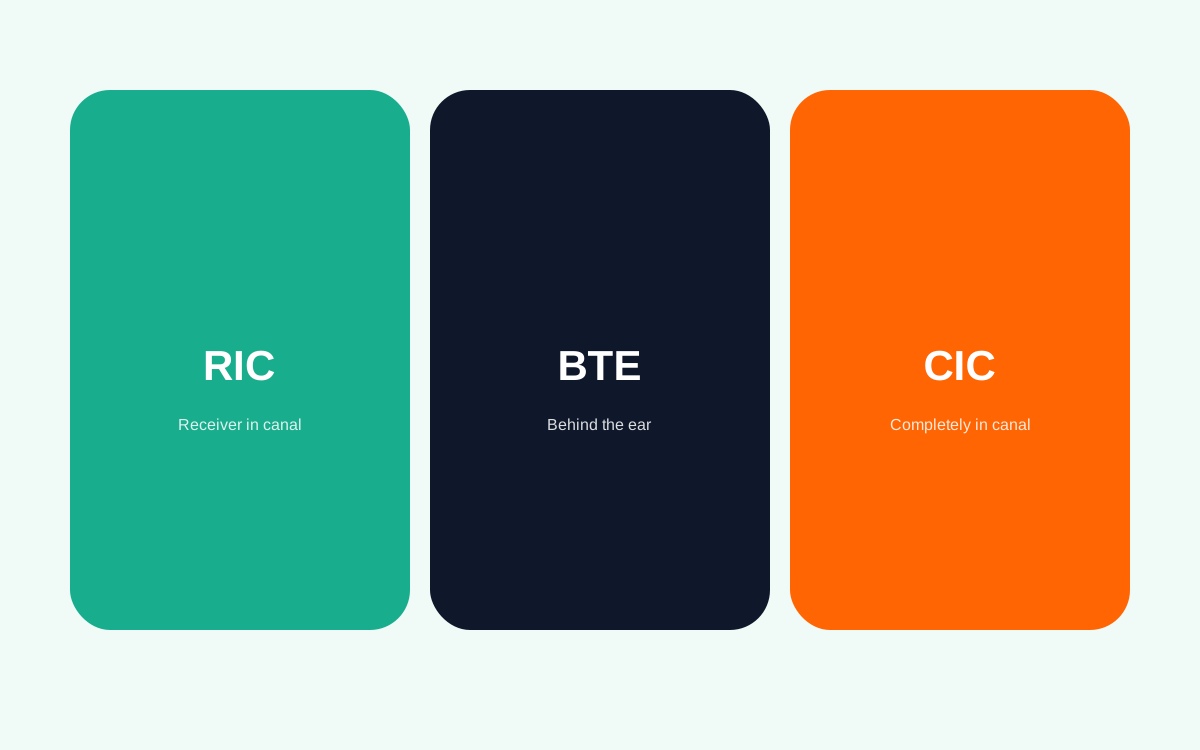 Guides
RIC vs BTE vs CIC: which hearing aid style fits you?
A clear guide to hearing aid types used in Indian clinics — from nearly invisible custom shells to powerful behind-the-ear devices.
By Dr. Harshi Verma9 min read
Read article